
الوضع الليلي


 2:19:50
  2025-10-08
  1624
1624
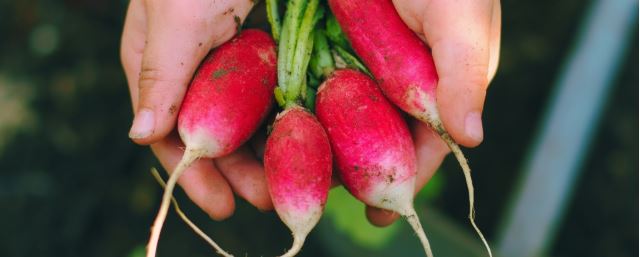
Tiny nanoplastic fragments present in the soil can make their way into the edible parts of vegetables, research has found.
A team of scientists from the University of Plymouth in the UK placed radishes into a hydroponic (water-based) system containing polystyrene nanoparticles.
After five days, almost 5 percent of the nanoplastics had made their way into the radish roots. A quarter of those were in the edible, fleshy roots, while a tenth had traveled up to the higher leafy shoots, despite anatomical features within the plants that typically screen harmful material from the soil.
"Plants have a layer within their roots called the Casparian strip, which should act as a form of filter against particles, many of which can be harmful," says physiologist Nathaniel Clark.
"This is the first time a study has demonstrated nanoplastic particles could get beyond that barrier, with the potential for them to accumulate within plants and be passed on to anything that consumes them."
The findings suggest even fresh, healthy food products can contain millions of plastic fragments per bite, many as small as a millionth of a centimeter.
There are some limitations to the study, as it didn't use a real-world farming setup. The concentration of plastics in the liquid solution is higher than estimated for soil, and only one type of plastic and one kind of vegetable were tested.
Nevertheless, the basic principle stands: the smallest plastic nanoparticles can apparently sneak past protective barriers in plants, and from there into the food we eat. Given the rapid spread of plastic pollution, this could be happening globally at the largest possible scales.
"There is no reason to believe this is unique to this vegetable, with the clear possibility that nanoplastics are being absorbed into various types of produce being grown all over the world," says Clark.
It's known that nanoplastics and microplastics can make their way deep into our bodies. What's less clear is the damage that this super-fine plastic pollution might be doing, with research suggesting it could potentially cause all kinds of biological disruption.
"To some extent, these findings shouldn't be a surprise – after all, in all our previous work we have found microplastic pollution everywhere we have looked for it," says marine biologist Richard Thompson. "However, this study provides clear evidence that particles in the environment can accumulate not only in seafood but also in vegetables."
"This work forms part of our growing understanding on accumulation, and the potentially harmful effects of micro- and nanoparticles on human health."
Reality Of Islam |
|

After spend

A study of

Researchers
 9:3:43
2018-11-05
9:3:43
2018-11-05
10 benefits of Marriage in Islam
7:5:22
2019-04-08
benefits of reciting surat yunus, hud &
9:45:7
2018-12-24
advantages & disadvantages of divorce
11:35:12
2018-06-10
6:0:51
2018-10-16
1:16:44
2018-05-14
6:14:3
2023-01-18
7:59:14
2018-06-21
10:47:11
2022-11-22
7:34:7
2023-02-28
10:43:56
2022-06-22
7:45:39
2018-06-21
5:41:46
2023-03-18
| LATEST |
 HOME
HOME























