الوضع الليلي


 3:44:51
  2024-04-29
  2005
2005

1- Think before you act. In the heat of the moment, avoid making a scene over nothing (or losing credibility by overreacting to something that does indeed need to be dealt with). When someone upsets you, take a breath or two before you respond to them. Think of yourself in the third person, as though you are watching yourself from the outside. Examine the reasons why this incident has upset you so you can deal with it in a thoughtful manner instead of acting impulsively. Ask yourself:
2- Rein in your emotions. You’re not a robot, so allow yourself a moment to feel upset and angry. Give that feeling a chance to wash over you and then recede a little before you react. Resist the urge to attack the other person (emotionally, physically, or both), which will only make the situation much more stressful. Avoid the following traps:
3- Act constructively. Ride your initial emotions out a little. Identify the reason why you felt upset to begin with. Then think of what steps you can take to actually improve the situation, rather than simply extend it. Choose actions that will solve the matter here and now and reduce the chance of it happening again in the future. Consider whether or not:
4- Identify the source early on. When you find yourself time and time again in situations that always seem to escalate into drama, take a step back. Consider each situation on its own. Then compare it with the others. Identify what is similar or constant from one situation to the next so you know exactly when and where to improve your attitude when new situations arise. Ask yourself:
Reality Of Islam |
|

A study of

Researchers
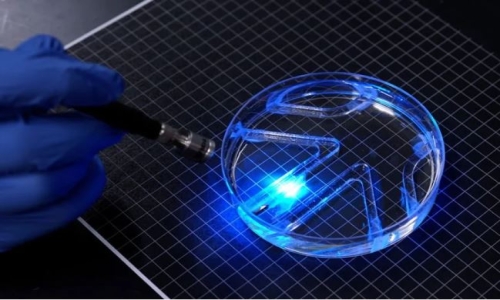
MIT enginee
 9:3:43
2018-11-05
9:3:43
2018-11-05
10 benefits of Marriage in Islam
7:5:22
2019-04-08
benefits of reciting surat yunus, hud &
9:45:7
2018-12-24
advantages & disadvantages of divorce
11:35:12
2018-06-10
6:0:51
2018-10-16
1:34:8
2022-02-01
8:4:21
2022-01-08
2:33:4
2023-02-15
12:47:1
2022-12-20
2:42:26
2023-02-02
11:34:48
2022-06-29
4:2:19
2022-10-10
5:41:46
2023-03-18
| LATEST |
 HOME
HOME