
الوضع الليلي


 12:50:21
  2026-08-22
  1296
1296
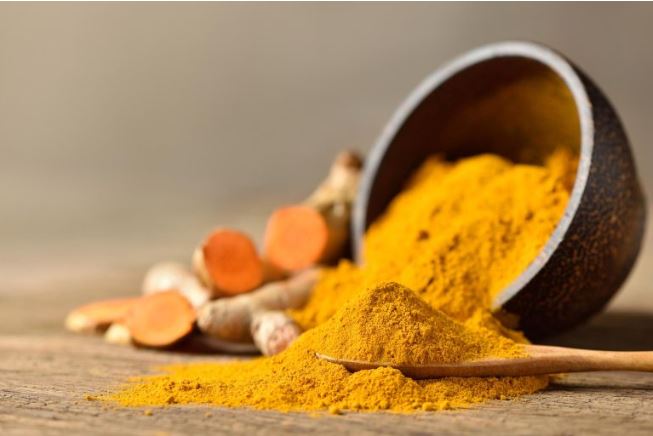
Curcumin improved blood vessel health in diabetic rats, but human benefits still need to be tested.
For people with Type 1 diabetes, controlling blood sugar is only part of the challenge. Over time, persistently elevated glucose can damage blood vessels, helping drive a higher risk of cardiovascular disease even when insulin therapy is carefully managed.
Now, researchers are exploring whether a familiar compound from turmeric could help counter some of that damage. Curcumin, the pigment that gives turmeric its vivid yellow color, is known for its antioxidant and anti-inflammatory properties. In a new rat study, it also appeared to preserve the structure and function of the aorta and improve several cellular processes disrupted by diabetes.
“Curcumin acts as more than a simple compound found in a spice or an antioxidant. It not only helps to improve blood sugar levels but also reduces inflammation, restores cellular responses, and preserves both structure and function of the aorta in Type 1 diabetes,” said the study’s first author, Swasti Rastogi, a PhD candidate at Florida Institute of Technology.
The findings, presented in Minneapolis at the 2026 American Physiology Summit, suggest curcumin may influence multiple pathways involved in diabetes-related vascular injury. About 2 million people in the U.S. live with Type 1 diabetes, a lifelong autoimmune disease in which the body cannot produce enough insulin, making cardiovascular complications an important long-term concern.
Curcumin improved vascular health
To investigate curcumin’s potential effects, researchers studied rats with Type 1 diabetes and compared animals that received curcumin with diabetic rats that did not. After one month, the curcumin-treated rats had healthier blood vessels that more closely resembled those of rats without diabetes.
The treatment appeared to lower inflammation, restore normal calcium activity in blood vessels, and rebalance heat shock protein 70, an important protein that diabetes can disrupt. Taken together, these changes suggest that curcumin may help limit the damage diabetes causes to blood vessel structure and function, including the gradual loss of strength and elasticity that can raise the risk of heart disease.
Human use remains untested
Turning these results into a treatment for people with Type 1 diabetes would take much more research than simply recommending extra turmeric or curcumin supplements. Because the work was done in rats, clinical studies are still needed to determine whether curcumin can safely benefit people, what dose might be effective, and how it could interact with medications they already take.
Reality Of Islam |
|

A study of

Researchers

MIT enginee
 9:3:43
2018-11-05
9:3:43
2018-11-05
10 benefits of Marriage in Islam
7:5:22
2019-04-08
benefits of reciting surat yunus, hud &
9:45:7
2018-12-24
advantages & disadvantages of divorce
11:35:12
2018-06-10
6:0:51
2018-10-16
2:33:4
2023-02-15
6:0:8
2023-03-19
2:34:48
2022-01-18
the happy life of mankind requirement
6:36:36
2022-01-25
8:3:0
2018-06-21
8:39:51
2022-09-23
1:38:41
2021-12-08
5:41:46
2023-03-18
| LATEST |
 HOME
HOME























