الوضع الليلي


 7:2:34
  2026-05-18
  775
775
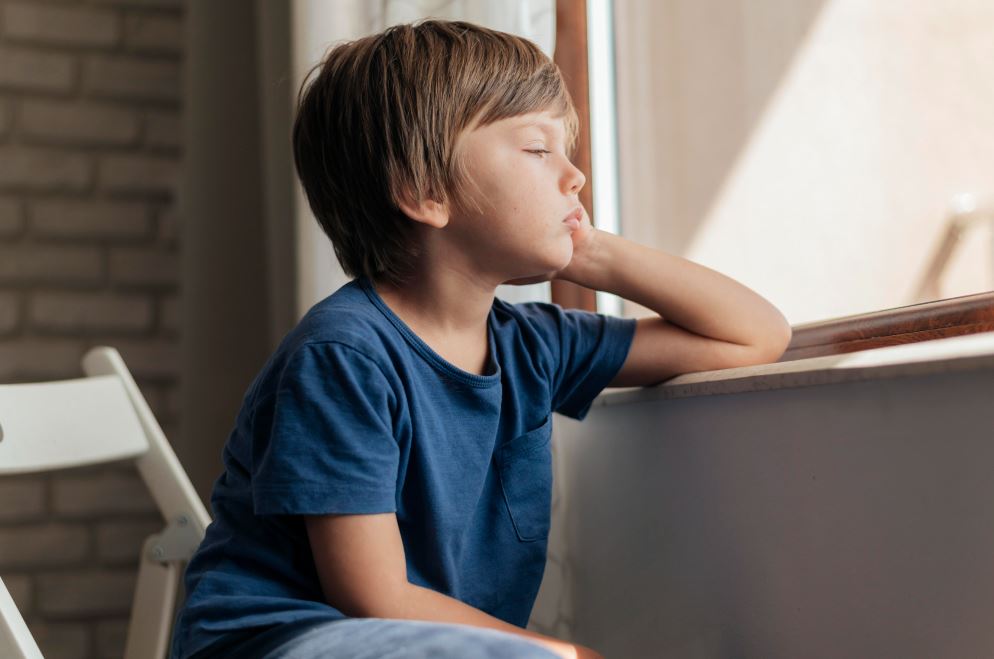
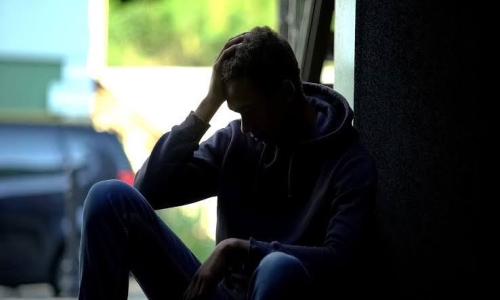
Many people think that depression affects only adults. In fact, children and teenagers can be affected, too.
According to figures from the Office of National Statistics, 10% of children in Great Britain aged between five and 16 have a recognisable mental disorder, with 4% of children suffering from an emotional disorder such as anxiety or depression.
The problem for parents is that depression in children can be difficult to spot.
Depression warning signs
There are ways to tell the difference between normal ups and downs and the beginnings of a more serious emotional health problem.
Dr Navina Evans is consultant psychiatrist at London's Capio Nightingale Hospital and the East London and City Mental Health Trust.
"The obvious signs to look out for include a low mood and unhappiness, with tearfulness or irritability that may not be related to anything specific," she says.
"Also watch out for reactions when something sad happens. For instance, when someone dies it's normal for everyone in the family to feel distressed. But if you feel your child's reaction is too extreme or has gone on for too long, that could also be a sign of depression."
According to Dr David Kingsley, consultant adolescent psychiatrist at Cheadle Royal Hospital's Young Persons' Service, if your child's mood is affecting their day-to-day functioning, this is a sign that a mental health problem should be investigated.
"If a young person is unable to function at school and has lost interest in things they were previously interested in, then that's a major sign," he says. "So, too, is increasing social isolation. These are signs that low mood is causing significant impairment."
Dealing with depression in children
If you feel your child is suffering from depression, it can be hard to know what to do.
"The first thing you should do is talk to them," says Dr Evans. "Try to find out what's troubling them. And whatever's causing the problem, don't trivialise it. It may not be a big deal to you, but it could be a major problem for your child."
If you're still worried after talking to them, see your GP, says Dr Kingsley.
"If it's something that requires further treatment, there are several options, including counselling services for young people, family therapy or cognitive behavioural therapy, which is a type of talking therapy. A specialist may also consider antidepressant medication, but only in severe cases."
For more information on the different types of talking therapies, read our Guide to talking therapies.
In the meantime, if you're worried that your child may be prone to depression, you can help to stop it happening by being there for them.
Dr Kingsley says: "All children and young people need to feel respected, valued and loved. They need to have relationships with caregivers (usually parents) where they feel valued for who they are in an unconditional and positive way.
"This goes a long way towards protecting a young person against developing depression."
Reality Of Islam |
|

A study of

Researchers
MIT enginee
 9:3:43
2018-11-05
9:3:43
2018-11-05
10 benefits of Marriage in Islam
7:5:22
2019-04-08
benefits of reciting surat yunus, hud &
9:45:7
2018-12-24
advantages & disadvantages of divorce
11:35:12
2018-06-10
6:0:51
2018-10-16
8:15:37
2023-02-16
8:3:0
2018-06-21
8:21:9
2018-06-21
9:30:2
2021-11-12
10:35:40
2022-05-26
2:33:4
2023-02-15
7:32:24
2022-02-14
5:41:46
2023-03-18
| LATEST |
 HOME
HOME