الوضع الليلي


 12:25:29
  2026-04-30
  1370
1370
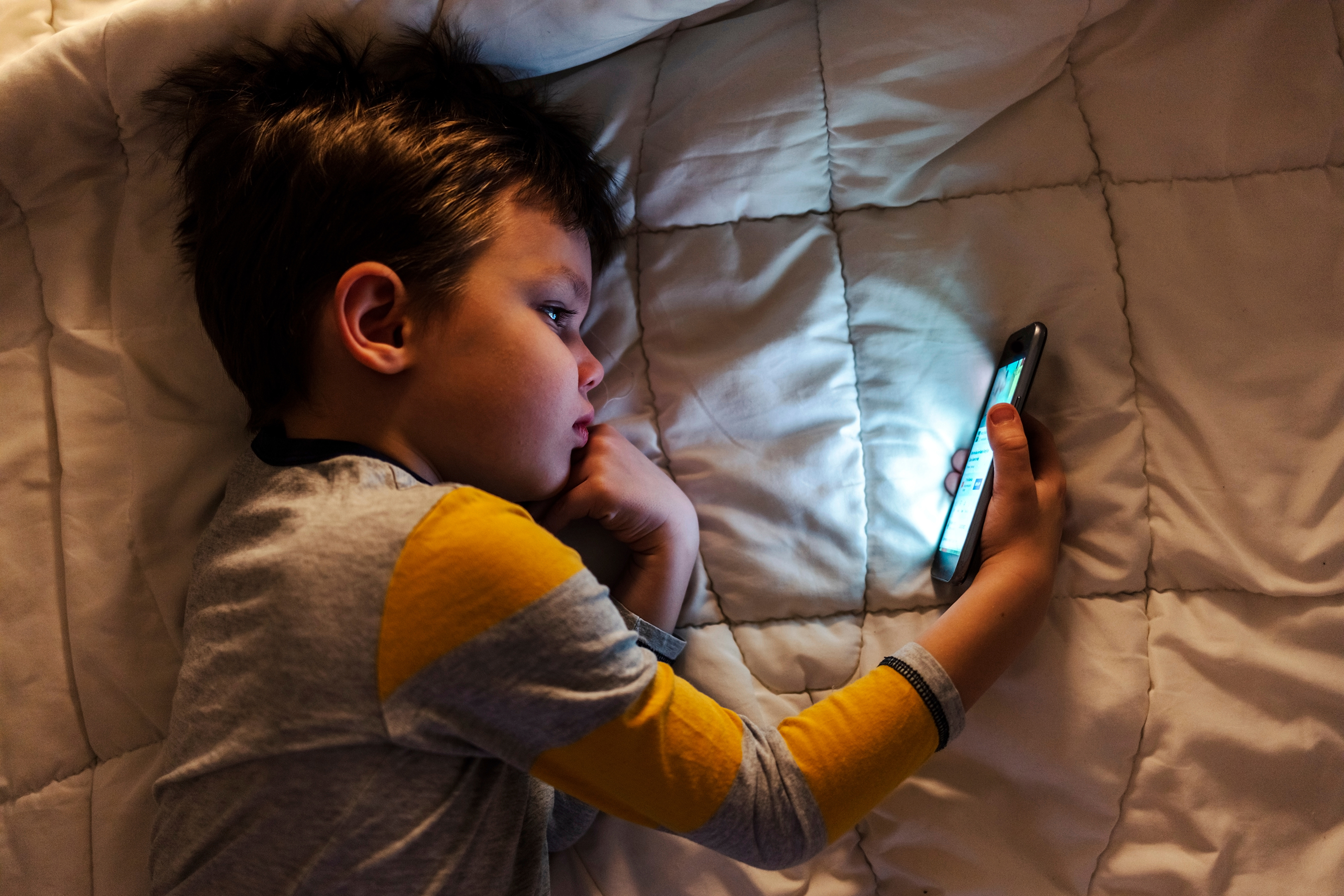
A survey has shown that using computers, mobiles and TVs at night affects children's sleep and, therefore, their health, mood and performance at school.
Studies show that many children are severely sleep deprived. One in three children aged 12 to 16 sleeps for just four to seven hours a night, according to a poll of 1,000 youngsters by The Sleep Council.
Children in this age group require eight to 10 hours' sleep a night, say sleep experts.
They reckon that screens and other electronic devices are to blame and advise placing strict limits on the use of TVs, mobile phones or computers in a child's bedroom during the evening.
Nearly one in four of the children surveyed admitted they fell asleep more than once a week while watching TV, listening to music or during other technical distractions.
Virtually all the children polled (98.5%) have a phone, music system or TV in their bedroom and two-thirds (65%) have all three.
The effects of lack of sleep
Most teenagers don't make the link between getting enough quality sleep and how they feel during the day, says Dr Chris Idzikowski of the Edinburgh Sleep Centre.
He says the impact of poor-quality sleep on a teenager’s health is comparable to regularly eating junk food. “We're seeing the emergence of junk sleep," he says.
“That’s sleep that is neither the length nor quality that it should be in order to feed the brain with the rest it needs to perform properly at school.”
Evidence shows that night-time sleep is just as important as healthy eating and exercise for children to develop. Those who don’t get enough sleep are more likely to be overweight or obese. This is because they tend to crave and eat sugary or starchy food during the day to provide energy to stay awake.
The key to adequate sleep is whether a child gets up fairly easily in the morning, is alert and happy for most of the day and is not grumpy.
Younger children who are persistently sleep deprived seem irritable and overactive, seek constant stimulation and lack concentration. Such symptoms can be mistaken for mild ADHD (attention deficit hyperactivity disorder).
Children need deep sleep
Professor Jim Horne of Loughborough University’s Sleep Research Centre is an expert in sleep deprivation and says children going through puberty and adolescence need to “sleep longer and deeper”.
“It’s a time during which their brains are undergoing major change,” he says. “The brain is undergoing major restructuring and rewiring and sleep is important for it to recover.
“A poor night’s sleep can interfere with a child’s performance and behaviour the following day. There's a stereotype of teenagers being grumpy and bad tempered, and that's sometimes due to a lack of sleep.”
Peer pressure and social factors, including the increase in entertainment equipment in the bedroom, are making it increasingly difficult for children to sleep well.
“Bedrooms are changing from a place of rest and tranquillity to places where there are lots of things to keep children awake, such as computers and televisions,” says Horne.
“Children are often tempted to take their mobile phone to bed with them and start texting without their mum and dad knowing.
“This distraction means they're not in a relaxed state for good-quality sleep, which can affect their learning.
“I would place firm night-time limits on the use of a television, mobile phone or a computer in their bedroom."
Reality Of Islam |
|

A study of
Researchers
MIT enginee
 9:3:43
2018-11-05
9:3:43
2018-11-05
10 benefits of Marriage in Islam
7:5:22
2019-04-08
benefits of reciting surat yunus, hud &
9:45:7
2018-12-24
advantages & disadvantages of divorce
11:35:12
2018-06-10
6:0:51
2018-10-16
2:34:48
2022-01-18
2:11:12
2022-10-15
3:43:50
2022-11-05
9:30:2
2021-11-12
allah will not answer all your prayers
6:56:28
2022-01-01
2:42:26
2023-02-02
10:55:53
2022-06-13
5:41:46
2023-03-18
| LATEST |
 HOME
HOME