الوضع الليلي


 12:18:24
  2025-09-13
  2191
2191
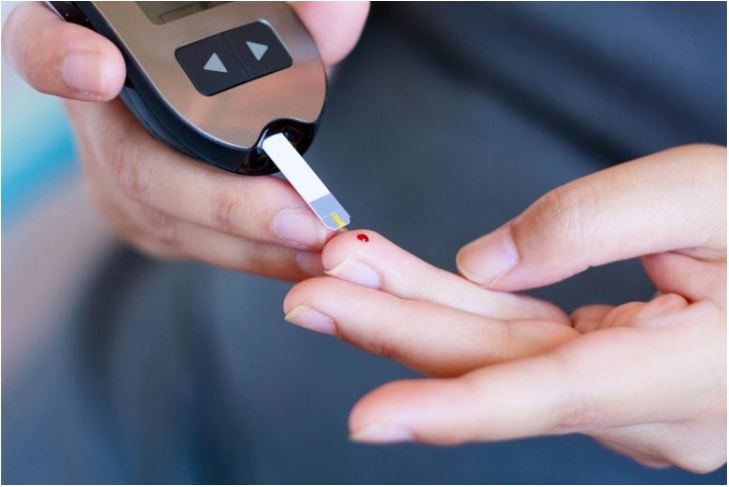
A global study shows nearly half of diabetes cases remain undiagnosed, with stark regional gaps in care, raising concerns of a growing “silent epidemic.”
A new study published in The Lancet Diabetes & Endocrinology reveals that millions of people worldwide are living with diabetes without knowing it, or are not receiving the care they need. The research, carried out by the Institute for Health Metrics and Evaluation (IHME) at the University of Washington School of Medicine in partnership with international collaborators, examined diabetes care across all age groups, both sexes, and 204 countries and territories between 2000 and 2023.
The analysis found that in 2023, about 44% of individuals aged 15 and older with diabetes did not know they had the condition. Young adults were the most likely to be undiagnosed, even though they face particularly high risks of developing severe complications later in life.
For those who had been diagnosed, 91% were receiving medication. Yet only 42% of treated individuals achieved healthy blood sugar control. This means that just 21% of all people living with diabetes worldwide had their condition managed at an optimal level.
Regional Disparities
Despite improvements over two decades, the research also found substantial regional diagnosis and treatment disparities, particularly in low- and middle-income countries. High-income North America had the highest rates of diagnosis, while high-income Asia Pacific showed the highest rates of treatment among diagnosed individuals. Southern Latin America had the highest rates of optimal blood sugar management among those treated. In contrast, Central sub-Saharan Africa faced the largest gaps in diagnosis, with less than 20% of people with diabetes being aware of their condition.
“By 2050, 1.3 billion people are expected to be living with diabetes, and if nearly half don’t know they have a serious and potentially deadly health condition, it could easily become a silent epidemic,” said Lauryn Stafford, first author and researcher at IHME.
Given the pace at which cases are rapidly rising, the research underscores the urgent need for investment in screening programs for younger populations and access to medications and glucose-monitoring tools, especially in underserved regions. In 2022, the WHO set a target to have 80% of people with diabetes clinically diagnosed by 2030.
Reality Of Islam |
|

A study of

Researchers

MIT enginee
 9:3:43
2018-11-05
9:3:43
2018-11-05
10 benefits of Marriage in Islam
7:5:22
2019-04-08
benefits of reciting surat yunus, hud &
9:45:7
2018-12-24
advantages & disadvantages of divorce
11:35:12
2018-06-10
6:0:51
2018-10-16
4:26:43
2022-02-21
8:15:37
2023-02-16
8:3:0
2018-06-21
7:6:7
2022-03-21
10:43:56
2022-06-22
2:42:26
2023-02-02
7:0:55
2022-05-17
5:41:46
2023-03-18
| LATEST |
 HOME
HOME