الوضع الليلي


 3:48:3
  2024-09-16
  2604
2604
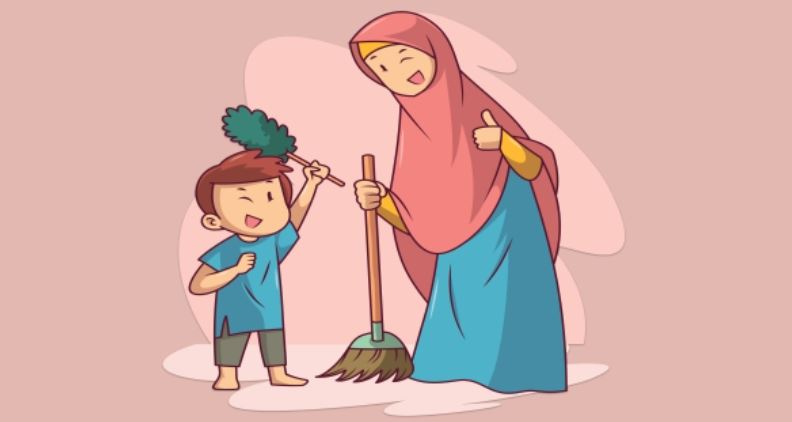
In order to create positive children, our upbringing must be positive; and this can only happen if we adopt the rules of sound upbringing and follow a well-thought-out approach to educating them. As for random upbringing and improvised guidance, often does not produce positive upbringing. Here are seven important things that support the educators' approach to positive upbringing: -
First: Showing love and showing interest: Children always need to feel love and feel their importance so that the family grows up in an atmosphere of love, friendliness and interest.
Second: Motivation and encouragement instead of praise: Children must be encouraged throughout the day; because they need to hear a lot of words of encouragement; such as saying (well done) and (good) and other phrases that support them in a positive way away from harsh criticism, blame or unserious compliments.
Third: Developing talents and motivating them to acquire skills: The role of parents and educators is not limited to developing talents, but it is necessary to motivate children to acquire skills that motivate them to instill talents, and thus become part of their personality; such as swimming, drawing, sewing, embroidery, etc.
Fourth: Showing the value of behavior to children before teaching them about it: Education through (model and role model) encourages children to be influenced by the model and imitate the behavior of the role model, which is represented by the parents and those in the family from adults such as the uncle, grandfather and maternal uncle, for example, which makes the value of the action rooted in their souls.
Fifth: Adopting moderation in accountability and punishment: especially when children show objection and stubbornness towards the instructions and orders that we direct to them.
Sixth: Activating positive dialogue through active listening and problem-solving mechanisms: It is necessary to sympathize with children even if they make mistakes and practice bad behavior to achieve (communication before correction), as John Nelson says. Seventh: Instead of focusing on blaming and reprimanding children, the focus should be on treatment: After the child makes a mistake, he shows a feeling of anxiety and fear, so reprimanding and blaming him hinders his focus on thinking about the exits and solutions and his understanding of the necessity of that.
Reality Of Islam |
|

A study of

Researchers

MIT enginee
 9:3:43
2018-11-05
9:3:43
2018-11-05
10 benefits of Marriage in Islam
7:5:22
2019-04-08
benefits of reciting surat yunus, hud &
9:45:7
2018-12-24
advantages & disadvantages of divorce
11:35:12
2018-06-10
6:0:51
2018-10-16
5:58:12
2021-12-18
1:38:41
2021-12-08
2:11:12
2022-10-15
11:34:48
2022-06-29
8:15:37
2023-02-16
al-hussain (peace be upon him)
10:18:1
2022-09-21
11:11:59
2023-02-01
5:41:46
2023-03-18
| LATEST |
 HOME
HOME