الوضع الليلي


 7:45:59
  2018-10-29
  1925
1925
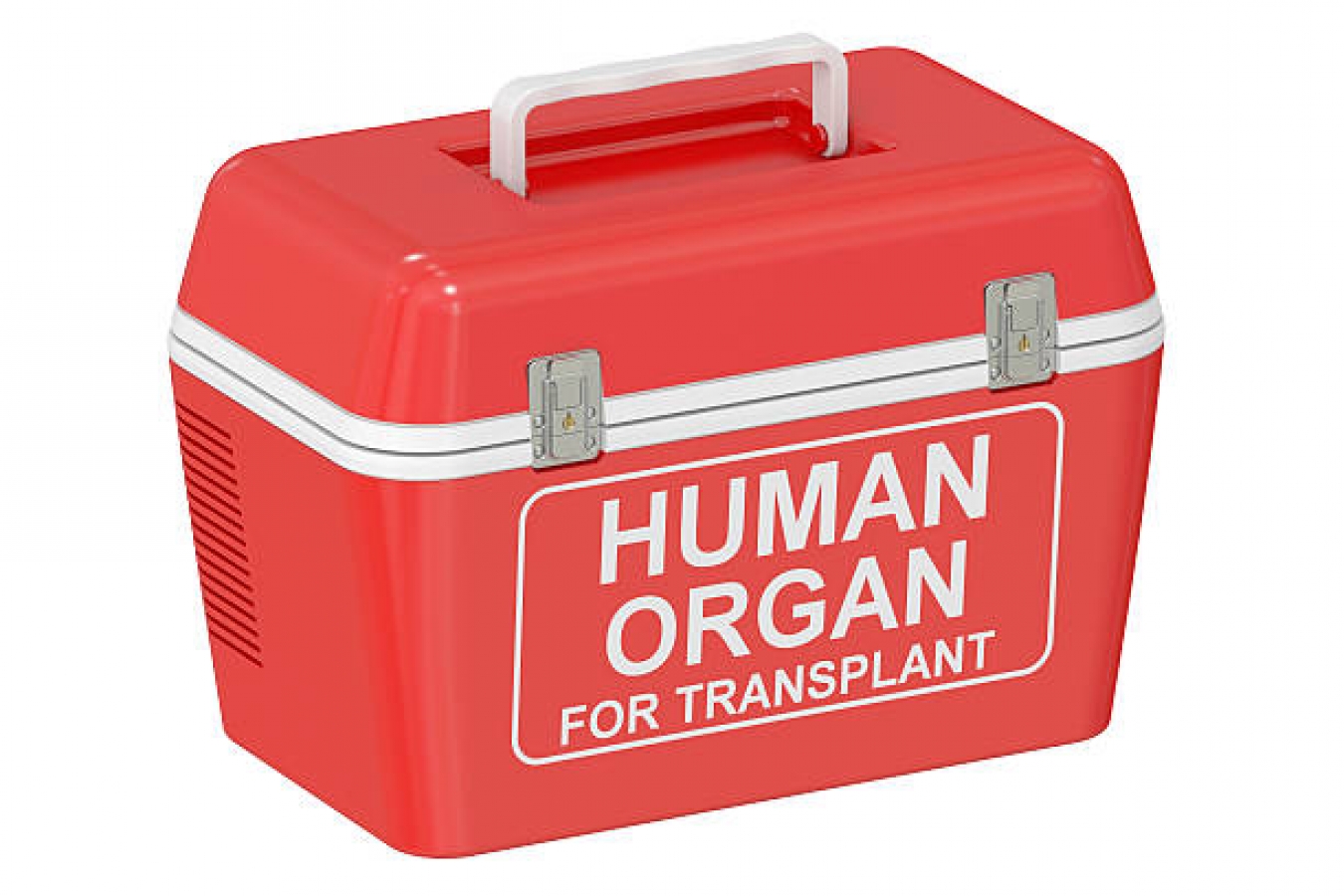
There's a serious kidney shortage in the United States.
According to the Organ Procurement and Transplantation Network, a federal database on organ transplantation, there are nearly 100,000 Americans currently on the waitlist for a kidney. So far this year, only around 16,000 people on that list received a kidney.
But about 2,000 kidneys from deceased donors are discarded in the U.S. each year — kidneys that could be potentially transplanted, according to a new study from an international team of researchers that was presentedon Oct. 27 at the American Society of Nephrology Kidney Week 2018, a medical conference of kidney experts in San Diego.
According to the researchers, the U.S. needs to take some advice from France, a country where fewer kidneys are deemed "unviable" and discarded. In other words, the U.S. should stop throwing away so many kidneys, because some of those kidneys could save patients' lives.
When a kidney is considered for transplantation, doctors must determine the kidney's quality. They do this by using a quality standard known as the kidney donor profile index, or KDPI. A number of factors about the donor, including age and whether they have health conditions such as high blood pressure or diabetes, go into determining the KDPI.
In the U.S, a kidney from an older donor, for example, is considered a higher-risk, lower-quality organ for transplantation, said study co-author Dr. Peter Reese, a kidney transplant specialist and associate professor of medicine at the Perelman School of Medicine at the University of Pennsylvania in Philadelphia.
These lower-quality kidneys would never have been accepted for transplant in the U.S. and would have been discarded, even though there is an acute lack of donor kidneys, Reese told Live Science. This attitude could stem from some kidney specialists' beliefs that using higher-risk kidneys is not as good for patients or that it costs more to transplant lower-quality kidneys, he added. Another factor is that specialists in the U.S. are quite risk-averse, he said.
In France, however, kidney transplant specialists are more willing to accept lower-quality kidneys, according to the study. That raises the question: Is accepting these lower-quality kidneys harmful to patients? And if not, why can't we do it here in the U.S.?
In the study, Reese collaborated with a team from the Paris Translational Research Center for Organ Transplantation, led by Dr. Olivier Aubert. Together, they analyzed data from organ transplant registries in the U.S. and France between 2004 and 2014, a decade when nearly 156,000 kidneys in the U.S. and about 30,000 kidneys in France were obtained for transplant from deceased donors.
The team found that the average age of the deceased kidney donor in the U.S. was 36, but in France, it was 51. That's a big difference in terms of kidney quality, Reese said.
What's more, the average age of deceased donors in the U.S. stayed basically the same throughout the decade, but the age of deceased donors got progressively older in France, he said.
The findings suggest that the French transplant centers responded to the challenge of growing waitlists for kidneys by developing a more aggressive transplant system that accepted increasingly older kidney donors, while the U.S. maintained the status quo, Reese said.
This risk appeared to pay off: The study estimated that if U.S. transplant centers had the same willingness to accept lower-quality kidneys as the French have done, there would have been 17,000 more kidney transplants done during the study period, Reese said. The researchers also estimated that French patients who received lower quality kidneys had similar outcomes to those who received higher-quality kidneys; in other words, that the patients fared similarly after their surgeries.
Indeed, the study provides good evidence that older deceased donor organs could be a valuable underutilized resource for kidney transplantation, Reese said.
Reality Of Islam |
|

A study of

Researchers

MIT enginee
 9:3:43
2018-11-05
9:3:43
2018-11-05
10 benefits of Marriage in Islam
7:5:22
2019-04-08
benefits of reciting surat yunus, hud &
9:45:7
2018-12-24
advantages & disadvantages of divorce
11:35:12
2018-06-10
6:0:51
2018-10-16
4:26:43
2022-02-21
11:2:27
2022-10-06
9:42:16
2022-10-19
2:5:14
2023-01-28
1:16:44
2018-05-14
7:32:24
2022-02-14
2:11:12
2022-10-15
5:41:46
2023-03-18
| LATEST |
 HOME
HOME