الوضع الليلي


 3:10:14
  2023-09-20
  2233
2233
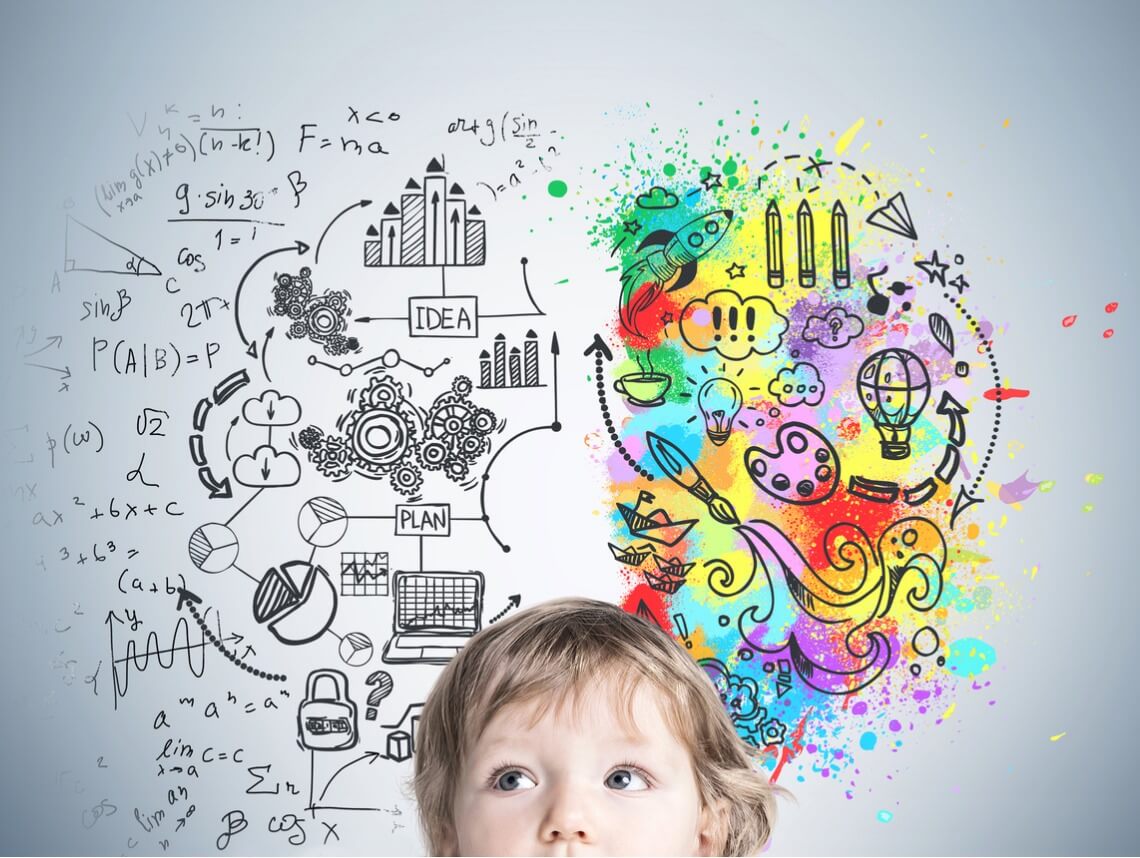
Intellectual Disability (ID), once called mental retardation, is characterized by below-average intelligence or mental ability and a lack of skills necessary for day-to-day living. People with intellectual disabilities can and do learn new skills, but they learn them more slowly. There are varying degrees of intellectual disability, from mild to profound. The term "mental retardation" is no longer used, as its offensive and has a negative tone.
Someone with intellectual disability has limitations in two areas. These areas are:
IQ (intelligence quotient) is measured by an IQ test. The average IQ is 100, with the majority of people scoring between 85 and 115. A person is considered intellectually disabled if they have an IQ of less than 70 to 75.
To measure a child’s adaptive behaviors, a specialist will observe the child’s skills and compare them to other children of the same age. Things that may be observed include how well the child can feed or dress themselves; how well the child is able to communicate with and understand others; and how the child interacts with family, friends, and other children of the same age.
Intellectual disability is thought to affect about 1% of the population. Of those affected, 85% have mild intellectual disability. This means they are just a little slower than average to learn new information or skills. With the right support, most will be able to live independently as adults.
There are many different signs of intellectual disability in children. Signs may appear during infancy, or they may not be noticeable until a child reaches school age. It often depends on the severity of the disability. Some of the most common signs of intellectual disability are:
In children with severe or profound intellectual disabilities, there may be other health problems as well. These problems may include seizures, mood disorders (anxiety, autism, etc.), motor skills impairment, vision problems, or hearing problems.
Reality Of Islam |
|

A study of

Researchers

MIT enginee
 9:3:43
2018-11-05
9:3:43
2018-11-05
10 benefits of Marriage in Islam
7:5:22
2019-04-08
benefits of reciting surat yunus, hud &
9:45:7
2018-12-24
advantages & disadvantages of divorce
11:35:12
2018-06-10
6:0:51
2018-10-16
9:30:2
2021-11-12
2:13:43
2022-05-27
4:25:57
2023-02-11
3:43:50
2022-11-05
7:34:7
2023-02-28
1:38:41
2021-12-08
2:33:4
2023-02-15
5:41:46
2023-03-18
| LATEST |
 HOME
HOME