
الوضع الليلي


 4:24:16
  2024-07-08
  1964
1964
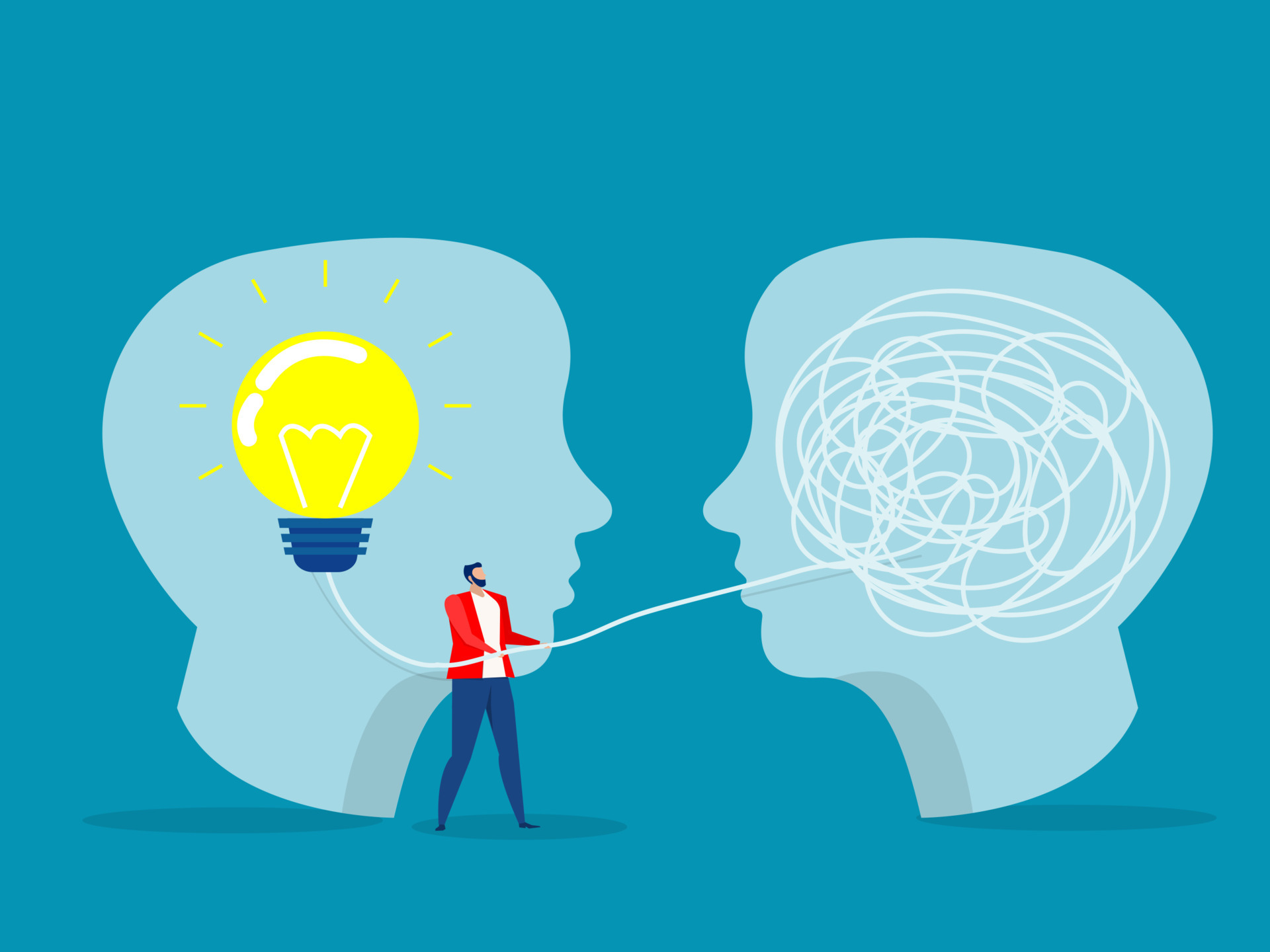
Across a series of 15 studies drawing from 2,380 participants in the groupings of WEIRD-er (Western, Educated, Industrialized, Rich, Democratic) vs. less-WEIRD countries, Yan and her collaborators sought to compare difficulty mindsets along with their relationship to identity. They also measured the extent to which their online samples of adult participants believed in the social blueprints of deservingness, higher authority, and conservatism.
To give you an idea of your own difficulty mindset, here are the items on the three scale.
Ratings are from strongly disagree (1) to strongly agree (6):
Difficulty-as-improvement
Difficulty-as-importance
Difficulty-as-impossibility
To assess the identities associated with each mindset, the authors used standard measures of sense of optimism, presence of meaning and purpose in life, conscientiousness, and “character virtues” such as forgiveness and gratitude.
The findings showed that, across societies, people could relate to the ideas of difficulty-as-improvement. People in less-WEIRD countries were more likely to endorse this mindset which, in turn, was rooted in culture-bound beliefs such as karma and spirituality. Across cultures, though, the difficulty-as-improvement mindset was associated with resilient identities. Those who endorse this mindset see themselves as “conscientious, virtuous, and optimistic people who lead lives of purpose and meaning”
Reality Of Islam |
|

A study of

Researchers

MIT enginee
 9:3:43
2018-11-05
9:3:43
2018-11-05
10 benefits of Marriage in Islam
7:5:22
2019-04-08
benefits of reciting surat yunus, hud &
9:45:7
2018-12-24
advantages & disadvantages of divorce
11:35:12
2018-06-10
6:0:51
2018-10-16
7:6:7
2022-03-21
the happy life of mankind requirement
6:36:36
2022-01-25
10:55:53
2022-06-13
allah will not answer all your prayers
6:56:28
2022-01-01
5:57:34
2023-03-18
9:42:16
2022-10-19
4:2:19
2022-10-10
5:41:46
2023-03-18
| LATEST |
 HOME
HOME























