الوضع الليلي


 11:11:26
 2025-10-25
 2039
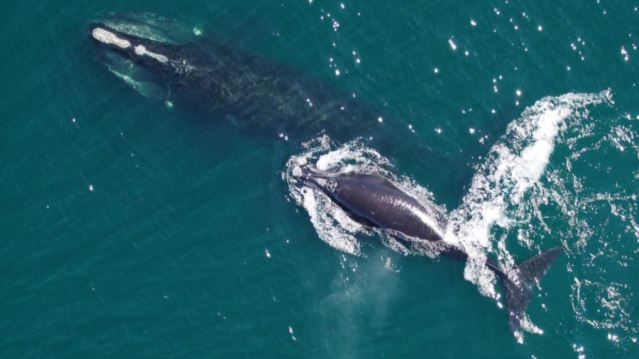
The critically endangered North Atlantic right whale is on the right track.
After teetering on the brink of extinction for over a century, this giant marine mammal (Eubalaena glacialis) is finally showing signs of a slow recovery.
Researchers at the North Atlantic Right Whale Consortium have shared that in 2024, the population increased by just over 2 percent compared to 2023.
That's 8 new whale calves, bringing the total number of remaining animals to an estimated 384. While that's only a small bump, it's a hopeful turn of events. Since 2020, the North Atlantic right whale population has increased by more than 7 percent.
The decade before that, however, the population plummeted by about 25 percent.
"It's always a great feeling when we can share positive news about this critically endangered species," says Heather Pettis, who leads the right whale research program at the New England Aquarium.
"The slight increase in the population estimate, coupled with no detected mortalities and fewer detected injuries than in the last several years, leaves us cautiously optimistic about the future of North Atlantic right whales."
Still, there's no room for complacency. Pettis warns that it's not yet time to take our foot off the gas, conservation-wise.
So far this year, there have been no recorded deaths of North Atlantic right whales, but many are injured or in poor health and birth rates are down.
North Atlantic right whales are said to have received their name because historically, they were the 'right' whales for humans to kill. By the early 1890s, the species was hunted almost to extinction.
Today, the population is protected, but it still faces many threats. Whales are at risk of dying from collisions with vessels and from entanglement in fishing gear. According to the environmental non-profit organization Oceana, each year, fishing gear entangles around a quarter of the North Atlantic right whale population in the US and Canada. About 85 percent of the whales have been entangled at least once.
"Detecting entanglements is challenging as it requires two things to align: people to be looking and whales to be present in those times and locations where they're looking," says Philip Hamilton, senior scientist at the New England Aquarium's Anderson Cabot Center.
Other tactics to minimize whale deaths include temporary fishing-free zones and switching to ropeless fishery gear, but these programs need community support.
"The road to recovery for this population is long," says Pettis.
The North Atlantic right whales need to keep swimming, and we need to let them.
Reality Of Islam |
|

A faster wa

Metal foam

By filling
 9:3:43
2018-11-05
10 benefits of Marriage in Islam
7:5:22
2019-04-08
benefits of reciting surat yunus, hud &
9:45:7
2018-12-24
advantages & disadvantages of divorce
11:35:12
2018-06-10
6:0:51
2018-10-16
2:13:43
2022-05-27
5:57:34
2023-03-18
8:19:41
2018-06-21
6:28:21
2022-12-20
9:30:2
2021-11-12
9:42:16
2022-10-19
8:3:0
2018-06-21
5:41:46
2023-03-18
| LATEST |
 HOME