الوضع الليلي
0
Staying Alert All Night
2:56:39 2023-09-28 2049

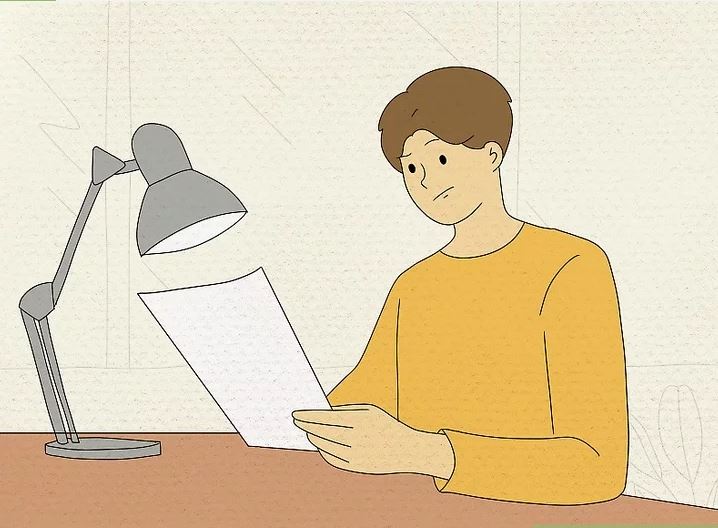
1- Turn up the lights. Bright white light stimulates your body to stay awake. Making sure there is enough bright light in the place you chose to study all night can keep you from getting drowsy and may help you concentrate better on the material you need to cover.

  • Find a place with a bright white light source. If you are studying at home, consider switching out your normal light bulb for higher watt, clear option.
  • Consider getting a mini-light or lamp. This may provide further stimulation to your brain to keep you awake and alert.


2- Avoid distractions. If you’re up all hours studying, it can be tempting to keep your devices and chat messengers open for stimulation. This can distract from your study session and ultimately harm your performance on the test or assignment.

  • If possible, turn off your phone or tablet. If not, turn the sound off so that you’re not tempted to check it every time it sends you an alert.
  • Let your friends and family know that you need to study and they shouldn't contact you during the evening unless it’s an emergency.


3- Draw or doodle. If you find your ability to concentrate waning, try drawing or doodling on a spare sheet of paper. Doing something creative like doodling, drawing, or even rolling a piece of clay may make you more alert and relaxed.

  • Doodle or draw for no more than 10 minutes. This may soothe you and help you focus better.
  • If you don't like to draw or doodle, do something else. Consider rolling something in your hand or gripping a stress ball while you’re reading.


4- Have a snack. Studying all night can require a lot of energy. Eating a snack every couple of hours can help you stay alert and give you a chance to relax. Eat something light with protein like a piece of cheese, fresh fruit, a granola bar, or some pretzels. A peanut butter and jelly sandwich is also a good option.

  • Make sure to have a cup or bottle of water with your snack to stay hydrated.


5- Give yourself short breaks. If you are concentrating on material and information diligently, you’re likely to get tired and lose focus. After 60-90 minutes of studying, give yourself a 10-15 minute break to refresh and refocus.

  • Go for a short walk, pace the room, or do some light yoga or stretching. Any activity will circulate your blood, oxygenate your brain, relax your body, and help you get back into the flow of work.
  • Take the opportunity to use the bathroom if necessary.
  • Avoid pushing through the 60-90 minute time frame without a break. This could make you more tired, affect your mood, and even less efficient at learning.


Reality Of Islam

The Farewell Hajj

2:2:16   2026-11-23  

Arbitrations of Ali (PBUH) in Yemen

10:54:14   2026-11-18  

The Expeditions to Yemen

1:13:53   2026-11-15  

The Event of Closing the Doors

11:40:53   2026-11-11  

MOST VIEWS

Importance of Media

9:3:43   2018-11-05

Illuminations

the effect of words

5:58:12   2021-12-18

loyalty is strength

10:55:53   2022-06-13

knowing what to say

6:0:8   2023-03-19

people in need

4:25:57   2023-02-11

smiling

1:38:41   2021-12-08

do not burn out

2:34:48   2022-01-18

your life

2:11:12   2022-10-15


IMmORTAL Words
LATEST Losing Weight but Getting Less Healthy? Study Reveals a Dark Side of Keto A Metal Foam Designed for Armor Could Make Cars Dramatically Safer Scientists Discover Bizarre Deep-Sea Creature That Survives Without Most of Its Digestive System Scientists Discover a Potential New Way to Treat Diabetes – No Insulin Required This 3D-Printed Robot Runs, Swims, and Climbs Without Any Electronics The Ozone Hole Swells to More Than Twice the Size of the United States The Farewell Hajj Paternal Uncles of the Holly Prophet The Concept of Parental Treatment Styles Just 2 Weeks of Ultraprocessed Foods May Change How Your Brains Respond to Food A Strange Liquid Is Helping Scientists Overcome a Major Barrier in Nanotechnology On the Brink of Extinction, These Giant Sea Turtles Are Doing Something Unexpected