الوضع الليلي


 1:0:24
  2023-11-04
  1694
1694
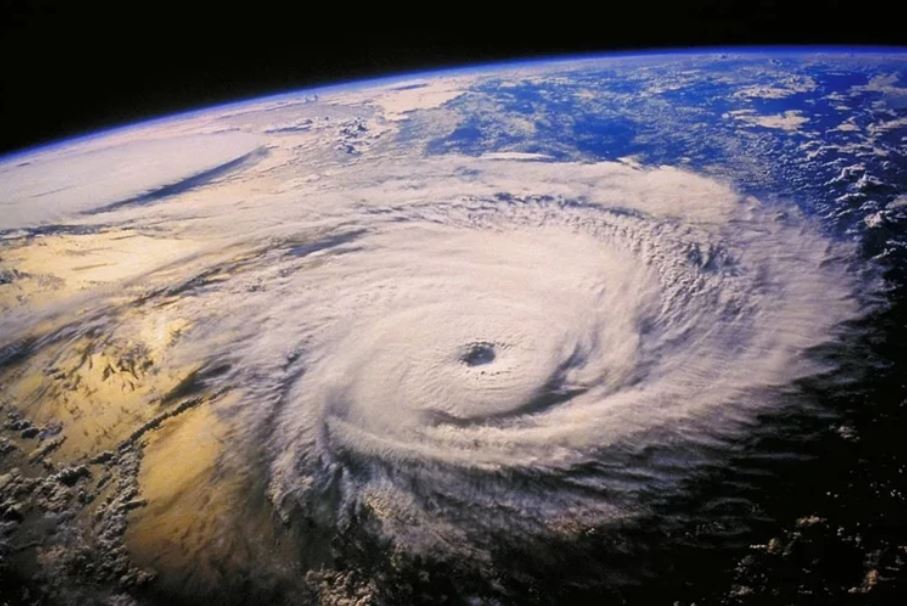
With an undersea volcano last year pumping huge amounts of water into the atmosphere, scientists expected the ozone hole in Antarctica to become large this fall. But that didn't happen.
According to NASA and the National Oceanic and Atmospheric Administration, this year's ozone hole was about the average size over the past 20 years, and even slightly smaller than in 2022.
From September to mid-October, the ozone hole this year averaged 23.1 million square kilometers (8.9 million square miles), the 16th largest since satellites began tracking in 1979. This year it peaked at 26 million One square kilometer (10 million square miles), roughly the size of North America.
When ozone, witch is made up of three oxygen atoms, is 8 to 50 kilometers (5 to 30 miles) high in the atmosphere, it protects the Earth from the sun's ultraviolet rays, which can cause skin cancer, cataracts, and can even harm crops.
Because of the chemicals in aerosol sprays and refrigerants that produce ozone-consuming chemicals, a few decades ago the ground's ozone layer began to weaken, even forming a large hole over Antarctica during September and October.
“That's massive in terms of scale,” said Paul Newman, NASA's ozone research leader and head of the Earth Sciences Division at Goddard Flight Center. "That's very bad for the people who have to live in that region in the extreme south of South America. But it wasn't as bad as we thought it would be." Believe".
When the Honga Tonga volcano released millions of tons of water into the Southern Hemisphere's atmosphere in January 2022, scientists believed that the water, 10% more than usual, would eventually be bad for the ozone layer.
This is because liquid water in the upper atmosphere provides a place for chlorine and bromine to stay and then eats away at the ozone layer, making the annual hole larger, Newman explained. So scientists and computer models are predicting a bad ozone season this year.
“We were wrong,” Newman said, noting that scientists will now have to figure out where their understanding and computer simulations went wrong. He believes the water froze higher and earlier, leaving less clouds and liquid water to stabilize the chemicals that consume ozone.
Local weather conditions also cause differences in the amount of ozone.
It is noteworthy that the ozone hole reached its largest levels in 2000, reaching about 29.9 million square kilometers (11.6 million square miles), according to NASA data.
Reality Of Islam |
|
After spend

A study of

Researchers
 9:3:43
2018-11-05
9:3:43
2018-11-05
10 benefits of Marriage in Islam
7:5:22
2019-04-08
benefits of reciting surat yunus, hud &
9:45:7
2018-12-24
advantages & disadvantages of divorce
11:35:12
2018-06-10
6:0:51
2018-10-16
7:45:39
2018-06-21
2:42:26
2023-02-02
8:39:51
2022-09-23
3:43:50
2022-11-05
the happy life of mankind requirement
6:36:36
2022-01-25
10:47:11
2022-11-22
10:43:56
2022-06-22
5:41:46
2023-03-18
| LATEST |
 HOME
HOME